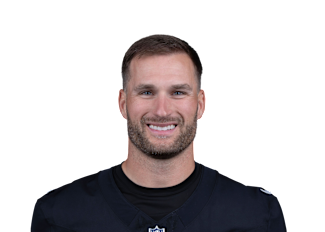
Three weeks ago, the Minnesota Vikings were 6-0 despite having one of the NFL's worst offenses, carried by Brian Flores' historically dominant defense. Since then, they have lost two straight, the offense has deteriorated further, and after a historically poor quarterback performance by Carson Wentz, the team traded a third-round pick for 38-year-old Kirk Cousins.
Cousins' immediate impact
In his first game back with Minnesota, Cousins led the Vikings to 30 points in a win over Green Bay, throwing two touchdowns as Justin Jefferson caught nine passes for 74 yards. The defense added eight sacks and three turnovers. Cousins had posted a 97.1 passer rating with 20 touchdowns and eight interceptions in nine games for the Raiders this season, far outperforming the Vikings' previous quarterbacks.
Historical blueprint for a championship
Analysts project that even a modest improvement from Cousins could raise Minnesota's scoring from 18.3 to around 22.7 points per game, with a solid improvement reaching 25 points. History shows several Super Bowl champions won with similar offensive output paired with elite defenses: the 2000 Ravens (20.8 points, 10.3 allowed), 2002 Buccaneers (21.6/12.3), 2008 Steelers (21.7/13.9), 2015 Broncos (22.2/18.5), 2023 Chiefs (21.8/17.3), and 2025 Seahawks (28.4/17.2). The Vikings' defense currently allows 14.5 points per game and blitzes at a league-high 74% rate.
Sustainability and outlook
While the defense's historic pace may regress, an offense averaging 23-25 points would reduce the burden. The Vikings need Cousins to protect the football, sustain drives, and make routine throws — not to play like an MVP. If he provides average quarterback play, Minnesota's formula of a dominant defense and functional offense matches multiple championship blueprints.


