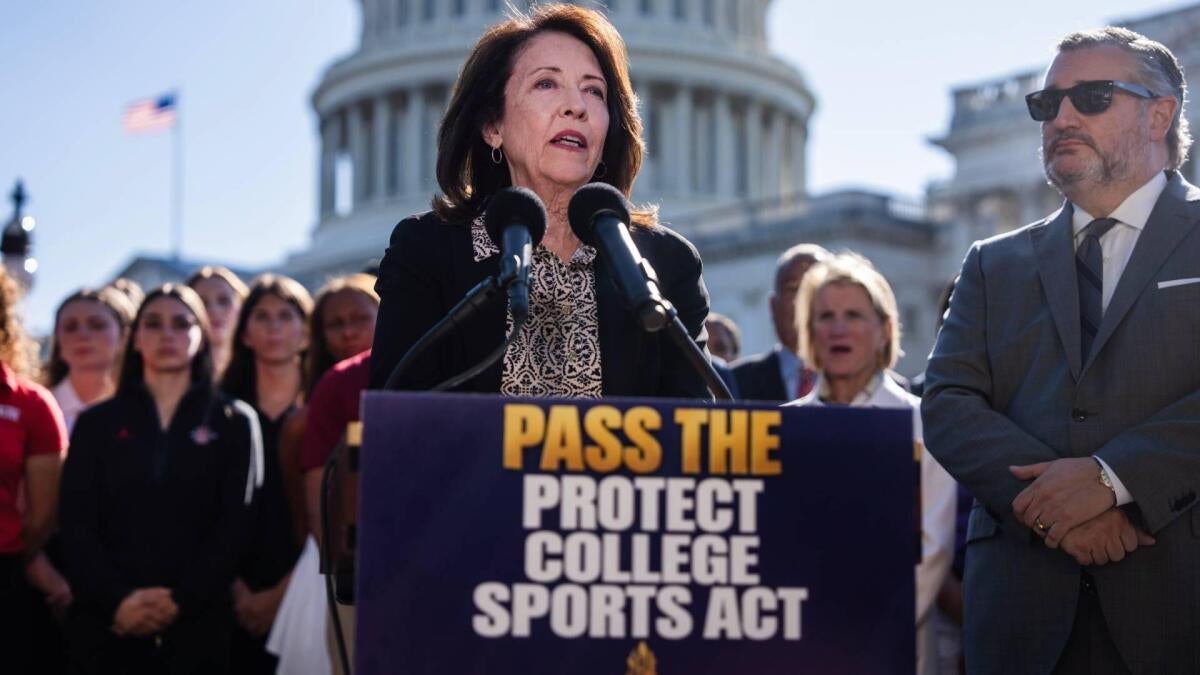
House Republican leaders announced Thursday they plan to bring the Protect College Sports Act (PCSA) to the House floor during the first week of December, setting a concrete timeline for legislation that has stalled despite passing the Senate 77-22 in September. Majority Leader Steve Scalise, Education and Workforce Committee Chairman Tim Walberg, and Energy and Commerce Committee Chairman Brett Guthrie said in a joint statement they are committed to sending a bill to President Trump that "saves college sports" by providing antitrust protections to end what they call a "Wild West atmosphere."
The leadership acknowledged the bill faces significant opposition within the Republican conference and outright Democratic opposition. Any amendments would send the measure back to the Senate, and the legislative window is narrowing before the new Congress convenes on Jan. 3. The House's last scheduled work day is Dec. 17, and government funding expires Dec. 11.
Key outside advocates, including Texas Tech booster Cody Campbell and New York Yankees President Randy Levine, lobbied on Capitol Hill Thursday. Big Ten Commissioner Tony Pettiti is also reportedly pushing for the bill. The 171-page PCSA would grant schools, conferences, and the NCAA targeted antitrust immunity to enforce rules on athlete pay, eligibility, and transfers, preempt state NIL laws, and raise the revenue-sharing cap to $48.8 million per school.
Major sticking points include a provision capping power conferences at 20 members and restricting in-season coaching hires, which drew objections from 21 House Republicans. Democrats, who will control both chambers next year, have criticized the bill over HBCU funding, lack of employment rights for athletes, and limits on lawsuits. Meanwhile, conferences are developing self-governance models; the Knight Commission on Intercollegiate Athletics urged leagues to cap coaching spending, require athlete compensation disclosures, and reserve revenue for compliant schools regardless of federal action.


