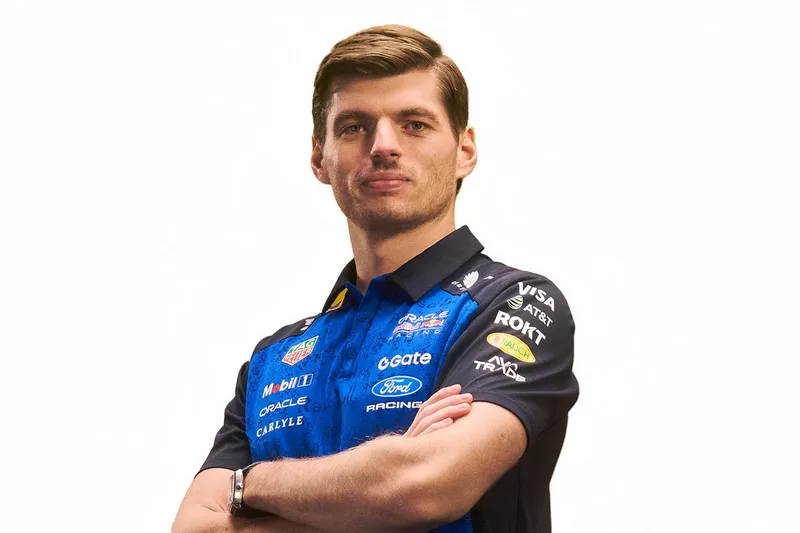
Formula 1's 2026 regulation overhaul could significantly alter the qualifying performance seen from Max Verstappen at the Las Vegas Grand Prix. The new rules package, featuring revised aerodynamics, power unit specifications, and chassis dimensions, aims to create closer racing and different strategic variables.
Verstappen's qualifying lap at the Las Vegas street circuit showcased the current generation car's strengths in low-speed corners and high-speed stability. Under 2026 rules, reduced downforce levels and active aerodynamics systems will change how drivers approach the track's long straights and tight chicanes.
The 2026 power units will deploy electrical energy differently, with the MGU-H removed and increased reliance on the MGU-K. This shifts energy management strategy during qualifying laps, potentially affecting how drivers maximize performance over a single flying lap at venues like Las Vegas.
Chassis changes including a shorter wheelbase and narrower track width will alter the cars' responsiveness through the circuit's technical sections. These modifications could make the Las Vegas layout produce different qualifying hierarchies compared to the current regulatory framework.

