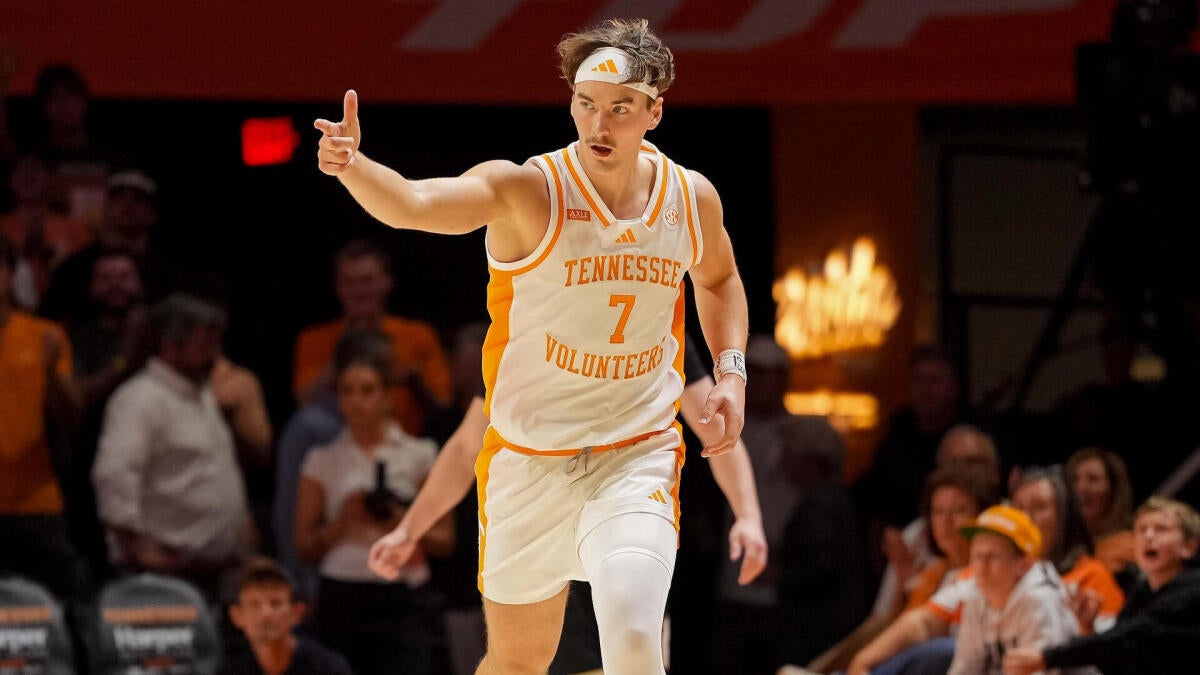
University of Tennessee men's basketball players participated in a voluntary mock collective bargaining exercise with the school's athletic department and Athletes.org (AO) this week, offering a potential blueprint for how college athletes could negotiate directly with their institutions. The initiative, described as serious in concept though not legally binding, involved elected player representatives and AO — an organization founded in 2023 to empower college athletes amid shifting NCAA rules.
Tennessee athletic director Danny White, who has advocated for a negotiated model, said the exercise demonstrated that meaningful dialogue between schools and players is achievable. "Collective bargaining is a proven model that works across all of professional sports," White stated. "Through Athletes.org, athletes can help create a healthy, durable solution for the future of college athletics."
The experiment comes as the NCAA continues to lobby Congress for antitrust protection via the Protect College Sports Act, which passed the Senate but faces uncertainty in the House. If federal legislation stalls, school-by-school bargaining could emerge as an alternative path to formalizing athlete compensation and rights.
Term Sheet Highlights
AO and Tennessee released a detailed term sheet structured around five pillars: Money & Compensation; Player Movement; Health, Wellness & Time Commitment; Rules & Enforcement; and Academic & Support. Key provisions include direct pay-for-play payments starting upon a player's arrival on campus, a salary floor for all roster members (up to 15 in basketball), and incentives for multi-year retention. The transfer portal window would open at least one week after the NCAA championship game, and schools would face financial accountability for failing to honor commitments.
Health protections are extensive: guaranteed payment despite injury, and medical coverage lasting at least two years post-eligibility for athletics-related injuries, five years for veterans, and lifetime coverage for catastrophic injuries. A neutral arbitrator would oversee disputes, a feature AO says is essential for any future collective bargaining agreement.
Player Perspectives
Graduate student Tyler Lundblade, junior Campbell Duncan, and sophomore DeWayne Brown II served as player representatives. Brown emphasized that athletes understand their own experience: "Some people say we're kids, that we're immature or that we don't understand. But we're the ones living this experience, and our opinions matter." AO is conducting a similar experiment with Tennessee's football program.
While the exercise is a thought experiment — none of the terms are binding and current law prohibits such agreements without employee status — it provides a concrete framework that power-conference administrators have increasingly said they desire. Tennessee's initiative marks the first public, detailed simulation of its kind, potentially setting a precedent for future athlete-school negotiations.


