A simulated Bowl Championship Series (BCS) ranking released ahead of Tuesday's second College Football Playoff (CFP) selection committee reveal places Georgia, Utah, and Notre Dame at the top of a 25-team field. The projection, compiled by BCSKnowHow, uses the historic BCS formula — combining the Harris Interactive Poll, Coaches Poll, and computer rankings — to show how the current season would look under the system used from 1998 to 2013.
Top 10 BCS Standings
1. Georgia – BCS score: 0.9694
2. Utah – BCS score: 0.9326
3. Notre Dame – BCS score: 0.8868
4. UCLA – BCS score: 0.8524
5. Miami – BCS score: 0.8257
6. Alabama – BCS score: 0.7878
7. Indiana – BCS score: 0.7785
8. Texas – BCS score: 0.7404
9. Tennessee – BCS score: 0.6373
10. Texas Tech – BCS score: 0.5753
Georgia's dominant 35-0 win at Ole Miss vaulted the Bulldogs to the top spot, while Utah rose five places after beating BYU. Notre Dame climbed following its marquee victory over previously top-ranked Miami. UCLA remains unbeaten under first-year coach Bob Chesney, and Miami dropped four spots after losing to the Fighting Irish without top offensive playmaker Malachi Toney.
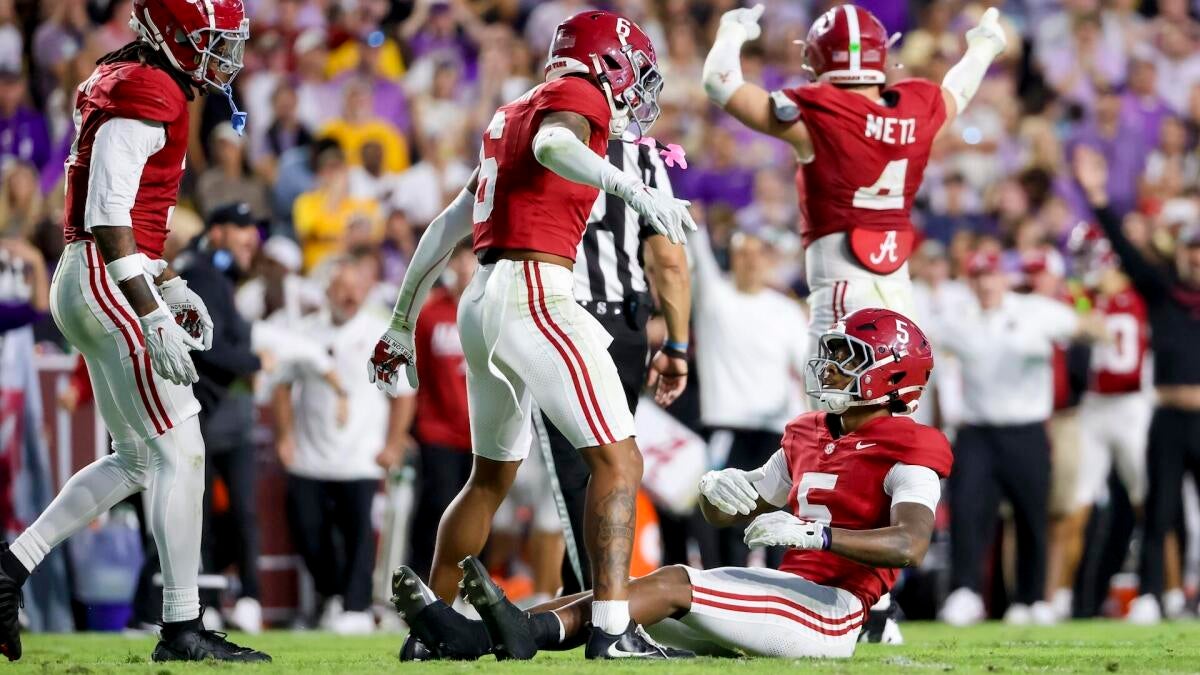
Alabama is viewed more favorably by the selection committee than the computers suggest, especially after a statement win at LSU. Indiana fell slightly despite being idle, as many of its Big Ten opponents lost. Texas owns four ranked wins, the most in the nation, and Tennessee surged after a 28-point thrashing of Kentucky.
Outside the top 10, Wake Forest, BYU, Kentucky, USC, Houston, Iowa, Ole Miss, Oregon, Boise State, Ohio State, LSU, South Carolina, Arizona, New Mexico, and Missouri round out the simulated top 25. Ohio State has tumbled from No. 2 to barely inside the top 20 after consecutive losses to USC and Oregon. Three-loss teams Ole Miss, LSU, and South Carolina linger at the back end, with the Gamecocks expected to be ranked higher than the Tigers after four straight wins.
The actual CFP rankings will be released Tuesday night, and the selection committee's evaluations may differ from the BCS formula, particularly regarding impact-player absences and strength of schedule.


