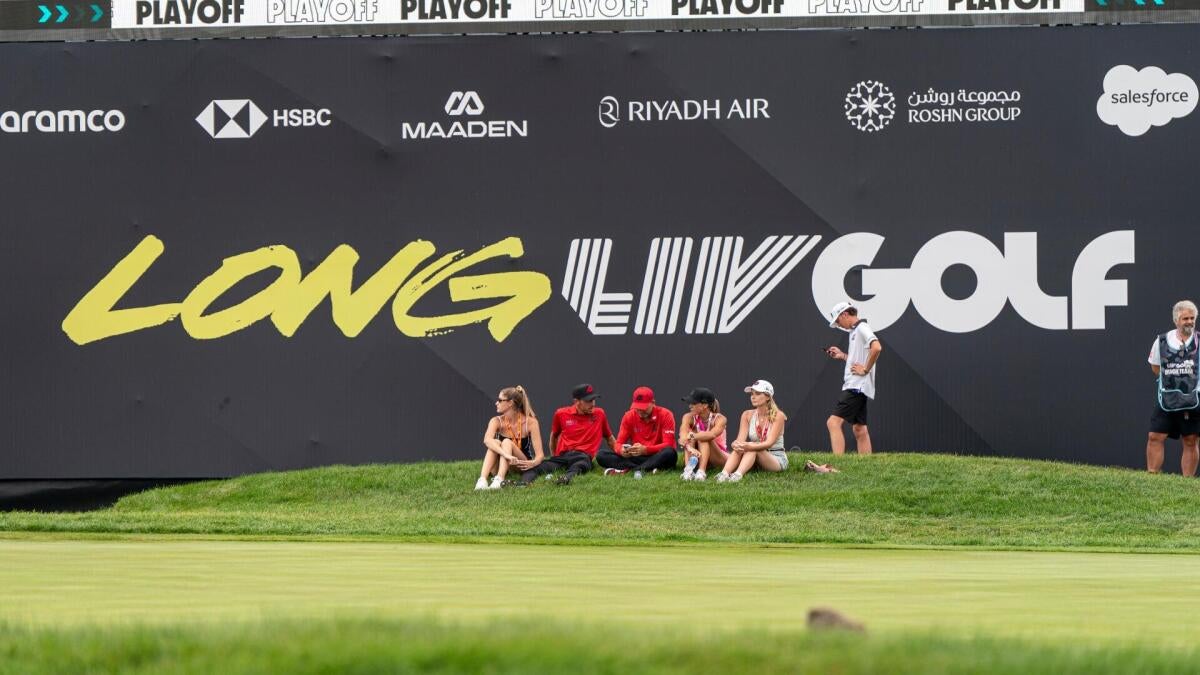
LIV Golf, the Saudi-backed league that attempted to disrupt professional golf with massive purses and guaranteed contracts, is officially winding down operations after five years. The Public Investment Fund (PIF) of Saudi Arabia announced it would pull all funding after the 2026 season, having invested more than $5 billion since the league's launch. After filing for Chapter 11 bankruptcy protection and failing to secure a new backer for a planned "LIV Golf 2.0" relaunch, the circuit confirmed on Thursday it would begin a "wind-down of its operations" at a bankruptcy court hearing in New Jersey.
The collapse follows the withdrawal of a planned $300 million investment from BC Partners, which cited insufficient player commitments. The league's inability to retain top stars after shifting from guaranteed money to equity offerings accelerated its demise. Brooks Koepka already accepted a PGA Tour return offer for 2026, while Jon Rahm and Bryson DeChambeau declined similar deals. Rahm has reportedly worked out an exit from LIV Golf and plans to pursue a DP World Tour path, while DeChambeau's future remains uncertain given his past antitrust lawsuit against the PGA Tour and strained relations with tour leadership.
Other notable LIV players such as Tyrrell Hatton, Joaquin Niemann, and Tom McKibbin face unclear paths back to the PGA Tour, which has indicated it will not offer the same return program available to Koepka. PGA Tour CEO Brian Rolapp stated the tour is interested only in players who can enhance its product, leaving many LIV veterans without guaranteed status. Some players are attempting to earn DP World Tour cards through qualifying school.
Despite its failure as a standalone league, LIV Golf's impact on the sport is evident. The PGA Tour responded by creating signature events, increasing purses, and restructuring its schedule into a two-tier Championship Series and Challenger Series starting in 2028. Rolapp acknowledged that competition from LIV forced the PGA Tour to improve its business model, comparing the disruption to the AFL and USFL's effect on the NFL. LIV Golf's legacy may ultimately be as a catalyst for change rather than a sustainable competitor.

