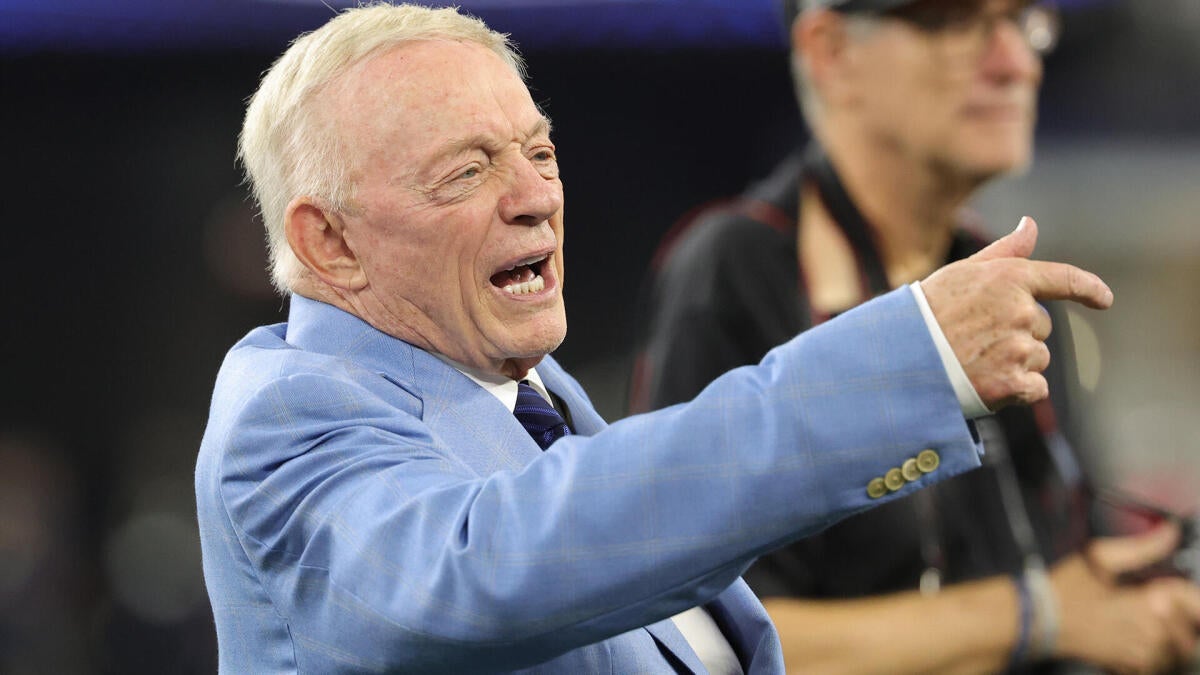
The Dallas Cowboys remain the NFL's highest-profile franchise, known as "America's Team" and the league's most valuable, yet they have not reached the NFC Championship Game since the 1995 season, when they won their third Super Bowl in four years. Despite an 11th-best regular-season record over the past 30-plus years, their postseason record ranks fourth-worst.
Owner and general manager Jerry Jones refuses to alter his approach. He controls personnel decisions, conducts postgame interviews before coaches and players, appears on radio multiple times weekly, and, according to his own comments, does not believe investing in top-tier coaches correlates with winning.
On a Tuesday radio interview on 105.3 The Fan, Jones stated there is "zero correlation" between coaching salaries or the number of coaches and winning, citing a random sample of years across all 32 teams. While coaching salaries are not public, good coaches generally win more and command higher pay.
Jones' reluctance to pay for elite coaches dates back to his split with Jimmy Johnson, the architect of the 1990s dynasty. Jones felt Johnson received too much credit and famously claimed "any of 500 coaches could have won a Super Bowl" with that roster. Since then, the Cowboys have hired candidates like Jason Garrett, Mike McCarthy, and Brian Schottenheimer — described as go-along-to-get-along types.
In the most recent coaching cycle two years ago, the Cowboys did not request interviews with highly regarded candidates such as Ben Johnson (now with the Chicago Bears), Mike Vrabel, Liam Coen, or Brian Flores. Instead, they interviewed candidates who drew little interest from other teams.
The article argues Jones avoids hiring the best coaches because he does not want to pay market value and does not want to share credit if the team succeeds, a key reason the Cowboys' playoff drought persists.


